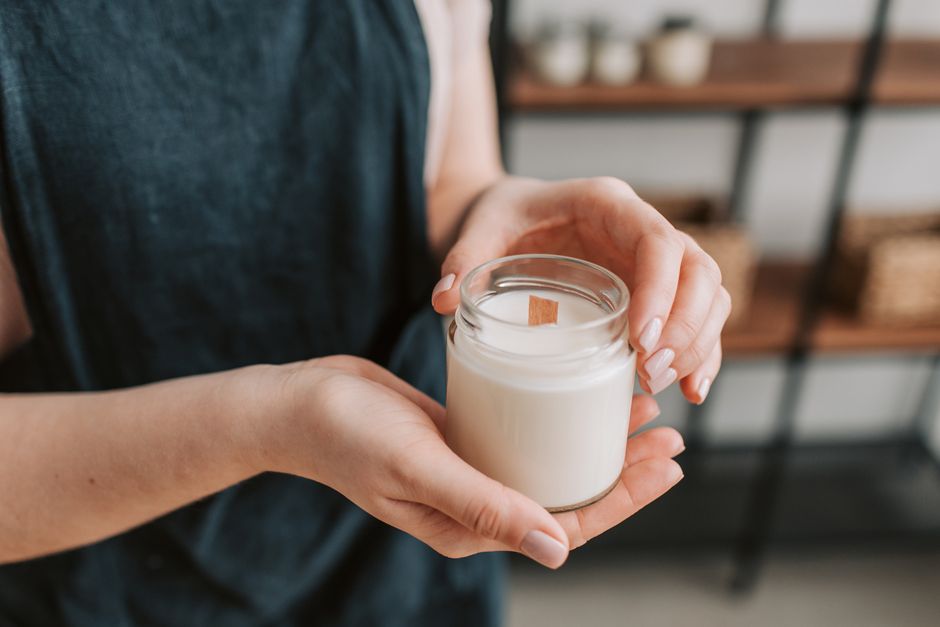
Soy candles burn differently than other waxes. Their lower melting point and thicker wicks require a specific routine to get the most burn time and the best fragrance throw. Whether you are new to soy wax or have been burning candles for years, a few simple habits can keep your candle burning evenly, cleanly, and for more hours. This soy candle care guide for 2026 covers everything from the first light to proper storage, so every hand-poured soy candle — including those from Bottle to Flame — delivers the experience it was designed for.
Why Soy Wax Requires Special Care
Soy wax burns at a lower temperature than paraffin wax. Because of that lower burning point, soy candles need a thicker wick to maintain a steady flame. The wick is your main control over how the candle burns. If it is too long or too short, the wax will not melt evenly and the candle may tunnel, smoke, or burn out too quickly. Proper care starts with understanding that the wick and the wax work together. A small adjustment before each burn can make a big difference in the life of your candle.
The first burn sets the pattern for every burn that follows. When a soy candle is lit for the first time, the wax must melt all the way to the edges of the container. This creates a full melt pool and trains the wax to burn evenly. If the first burn is too short, a ring of unmelted wax will form around the side, and that ring will only get thicker with each subsequent burn. Taking the time to establish a proper melt pool on the first light is one of the most important things you can do for a soy candle.
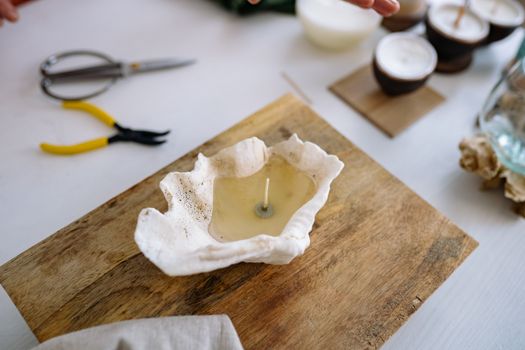
Photo by Yan Krukau on Pexels
The Essential Steps for Soy Candle Care
Following a consistent care routine keeps your candle in top condition. These steps apply to any high-quality soy candle, whether it is a small-batch, hand-poured candle from Bottle to Flame or a standard store-bought version.
Trim the Wick to 1/4 Inch
Before every burn, trim the wick to about 1/4 inch. A wick that is too long produces a larger flame that can create soot, smoke, and an uneven burn. Use a wick trimmer or small scissors to cut it straight across. Trimming also removes any carbon buildup from the previous burn, which can cause the wick to mushroom and drop debris into the wax. This one step prevents most common candle problems and extends the overall burn time.
Allow a Full Melt Pool on the First Burn
The first burn determines how your candle will burn for its entire life. Light the candle and let it burn until the melted wax reaches the very edge of the container. Depending on the diameter of the candle, this can take one to two hours. Do not extinguish the candle before this happens. A full melt pool on the first burn prevents tunneling and ensures an even, consistent burn every time you light it again.
Burn for 3 to 4 Hours Maximum
Soy candles should not burn for more than three to four hours at a time. After that, the wick can become too long, the wax can overheat, and the fragrance may start to weaken. Burning for longer than four hours can also cause the container to get hot and the wick to drift off center. When you are ready to stop, extinguish the candle and let the wax cool and harden before trimming the wick for the next use.
Keep the Wax Clean
Even soy candles can collect soot and debris. After each burn, check the wax pool for any wick trimmings, matchstick pieces, or ash. Use a dry paper towel or a pair of tweezers to gently remove any foreign material. A clean wax pool burns more cleanly and throws fragrance more evenly. If the wax becomes very dirty over time, you can also wipe the inside of the container carefully with a dry cloth once the wax has fully hardened.
Avoid Drafts
Place your soy candle away from open windows, fans, air conditioning vents, or any other source of moving air. Drafts disrupt the flame and cause the wax to melt unevenly. One side of the candle may burn faster than the other, leading to a crooked melt pool and wasted wax. A still flame produces a steady, even burn and helps the candle last longer.
Extinguish Properly
Do not blow out your candle. Blowing can send molten wax splattering and may cause the wick to smolder, creating smoke and soot. Instead, use a candle snuffer or gently dip the wick into the liquid wax with a non-flammable tool, then straighten it. If your candle comes with a lid, you can place the lid on top to starve the flame of oxygen. This keeps the wax pool clean and the wick ready for the next burn.
Store Your Candle Correctly
When you are not burning your soy candle, store it in a cool, dry place away from direct sunlight. Heat can soften the wax and cause the fragrance to fade. Sunlight can discolor the wax and degrade the scent. Keep the lid on tightly to prevent dust and pet hair from settling on the surface. Proper storage preserves the color, scent, and burn quality of your candle between uses.

Photo by Cecilia Ravalli on Pexels
What to Look for in a Soy Candle in 2026
Not all candles labeled as soy are created equal. As of 2026, the safest candles use waxes that are clearly stated on the label. Look for terms like 100% soy, coconut soy, pure coconut wax, or vegetable wax. Avoid candles that list paraffin, petroleum wax, or vague terms such as wax blend or scented wax. Transparent ingredient lists are a sign of a quality candle.
Also check that the wick appears thick enough for a soy wax candle — a thick wick helps regulate the lower burn temperature of soy and prevents the flame from drowning in the melt pool. Every Bottle to Flame candle uses 100% natural soy wax (GW 464), a lead-free cotton and paper wick, and phthalate-free fragrance oils. Those details are listed on every product page because we believe you should know exactly what you are burning. For a deeper look at why wax type matters, see our guide on soy vs. paraffin candles.
Common Soy Candle Care Mistakes
Even experienced candle users make errors that shorten a candle's life. Skipping the wick trim is the most frequent mistake — a long wick leads to a tall, smoky flame that burns through wax faster. Not allowing a full melt pool on the first burn creates a tunnel that wastes the outer ring of wax. Burning a soy candle for more than four hours overheats the container and may cause the wick to move. Placing the candle in a draft creates an uneven melt pool and reduces burn time. And blowing out the flame instead of using a snuffer or lid introduces soot and mess into the wax. Avoiding these five mistakes will significantly extend the life of any soy candle.

Photo by Vlada Karpovich on Pexels
The Second Life of Your Bottle to Flame Vessel
Once your Bottle to Flame candle has burned its last, the glass does not have to go in the recycling bin. Send it back and we will refill it at 20% off your next pour. Or clean it out with hot water and mild soap, remove the wick tab, and use the tumbler as a rocks glass, a small planter, or a pen cup. The ritual continues even after the wax is gone.
Frequently Asked Questions
Why do I need to trim the wick before every burn?
Trimming the wick to about 1/4 inch keeps the flame at the right size. A shorter flame produces less soot and smoke, burns the wax more evenly, and prevents the wick from mushrooming. This simple step can add hours to the total burn time of your candle.
What happens if I do not let the wax reach the edges on the first burn?
If the first burn does not create a full melt pool, a ring of unmelted wax will remain around the inside of the container. That ring hardens and becomes thicker with each burn, eventually causing the candle to tunnel. Once tunneling starts, it is very difficult to fix, and you will waste a significant amount of wax.
How long should I burn a soy candle each time?
The recommended maximum burn time for a soy candle is three to four hours. Burning longer can overheat the glass, degrade the fragrance, and cause the wick to drift. For the best results, plan your burn sessions so that you can let the candle cool completely before relighting.
What is the safest candle wax to buy in 2026?
Look for candles made with 100% soy wax, coconut soy, pure coconut wax, or vegetable wax. Avoid products that list paraffin, petroleum wax, or any vague term like wax blend or scented wax. A clear ingredient list on the label is a good sign that the candle is made with safer materials. All Bottle to Flame candles list their full ingredient specifications on the product page.
Taking care of a soy candle is simple when you build these habits into your routine. Trim the wick, let the first burn reach the edges, keep the wax clean, and store the candle properly. Each small step protects the time and craftsmanship that went into making the candle, so you can enjoy every last drop of fragrance. Browse the collection to find your next pour.